
Selecting the right duct vent is essential for optimal HVAC system performance, energy efficiency, and indoor comfort. The wrong vent size, type, or material can lead to poor airflow, uneven temperature distribution, and increased energy costs. According to ASHRAE standards, proper vent selection directly impacts system efficiency and occupant comfort. This comprehensive guide covers everything you need to know about choosing duct vents, including sizing calculations, vent types, and material selection for residential and commercial applications.
Whether you are retrofitting an existing system or designing a new installation, understanding duct vent specifications ensures proper air distribution and system longevity. This guide provides practical advice backed by industry standards from organizations like ASHRAE and SMACNA to help you make informed purchasing decisions.
How to Choose the Correct Duct Vent Size
Calculate Room Airflow Requirements for Proper Vent Sizing
Proper duct vent sizing begins with calculating the airflow requirements for each room. Airflow is measured in cubic feet per minute (CFM) and depends on room size, occupancy, and thermal load. The standard calculation method uses 1 CFM per square foot of floor space for general cooling applications. For example, a 200-square-foot room requires approximately 200 CFM of airflow.
More precise calculations consider additional factors such as ceiling height, insulation levels, window orientation, and local climate conditions. The Air Conditioning Contractors of America (ACCA) provides Manual J load calculation procedures for accurate sizing. For commercial spaces, airflow requirements may be higher due to equipment heat gains and occupancy density. Once you determine the required CFM, you can select a duct vent size that accommodates the airflow without excessive velocity or pressure drop.
Match Vent Size to Your Existing Ductwork Dimensions
Duct vent size must match the diameter or dimensions of your existing ductwork to ensure proper connections and airflow. Round ducts typically use round vents, while rectangular ducts require rectangular or square vents. Common round duct vent sizes range from 4 inches to 12 inches in diameter. Rectangular vents are available in various width-by-depth combinations, such as 4×10, 6×10, and 8×12 inches.
When selecting vent size, consider the available space for installation and the aesthetic impact. Larger vents provide lower airflow velocity and quieter operation but require more ceiling or wall space. Smaller vents fit in tight spaces but may create higher velocities and noise levels. Always verify that the vent size matches the duct diameter to prevent airflow restrictions and ensure a proper seal. For detailed duct construction standards, refer to SMACNA guidelines.
Account for Static Pressure & Uniform Air Distribution Needs
Static pressure is the resistance to airflow within the duct system, measured in inches of water gauge (in. w.g.). Duct vents contribute to static pressure based on their design and airflow velocity. High static pressure reduces system efficiency and increases fan energy consumption, as documented by the U.S. Department of Energy. When selecting vents, consider their pressure drop characteristics to maintain balanced airflow throughout the system.
Uniform air distribution is critical for occupant comfort and energy efficiency. Vents with adjustable dampers allow fine-tuning of airflow to individual rooms. Diffusers and grilles with directional louvers help distribute air evenly across spaces. For large rooms or zones, multiple vents may be needed to achieve uniform coverage. Consulting system design guidelines from ASHRAE or working with an HVAC professional ensures proper vent selection for static pressure and distribution requirements.
Common Duct Vent Types & Their Target Applications
Supply vs. Return Vents: Core Functional Differences
Supply vents deliver conditioned air from the HVAC system into living spaces, while return vents draw air back to the system for reconditioning. Supply vents are typically located on walls, ceilings, or floors near interior doors or windows. Return vents are often larger and placed in central locations or hallways to capture air efficiently.
The design of supply and return vents differs to optimize their functions. Supply vents often feature adjustable louvers or diffusers to direct airflow. Return vents usually have larger openings with filters to capture dust and debris. Understanding these differences helps you select the right vent type for each application and maintain proper system balance.
Popular Vent Styles: Register, Grille, Diffuser & Slotted
Registers are the most common duct vent style, featuring a flat plate with adjustable louvers. They are versatile and suitable for both supply and return applications in residential and commercial settings. Grilles are similar to registers but lack adjustable louvers, making them ideal for return air applications where airflow direction is not critical.
Diffusers are designed to spread air evenly across a room, often using radial or linear patterns. They are commonly used in commercial spaces with high ceilings or open floor plans. Slotted vents provide a sleek, modern appearance and are often used in walls or floors for targeted airflow. Each style offers distinct advantages, and the choice depends on aesthetic preferences, airflow requirements, and application specifics.
Specialty Vents for Specific Room & Industry Needs
Specialty vents address unique requirements in specific rooms or industries. Bathroom vents often include exhaust capabilities to remove moisture and odors. Kitchen vents may incorporate grease filters for commercial applications. Industrial vents are designed for harsh environments, featuring corrosion-resistant materials and high-temperature ratings.
For cleanrooms, laboratories, and healthcare facilities, specialized vents maintain sterile conditions and precise airflow control. Explosion-proof vents are required in hazardous environments where flammable gases or dust may be present. Understanding the specific needs of your application ensures you select vents that meet safety, performance, and regulatory requirements.
Duct Vent Materials: Pros, Cons & Best Use Cases
Metal Vents: Steel, Aluminum & Long-Term Durability Benefits
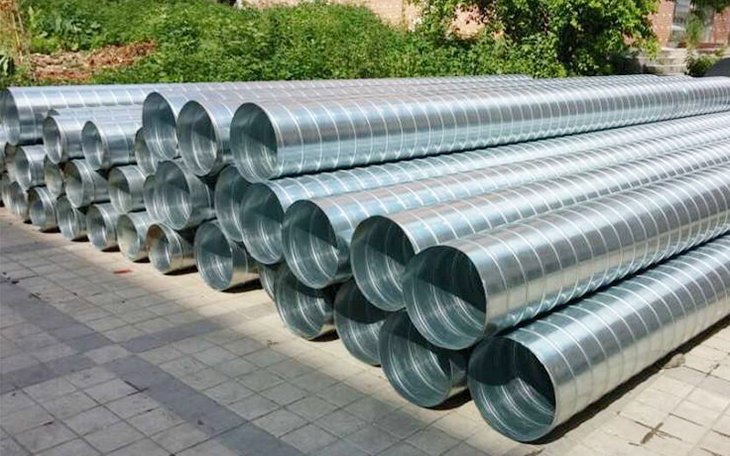
Metal vents, including galvanized steel and aluminum, offer excellent durability and fire resistance. Galvanized steel vents are cost-effective and suitable for most residential and commercial applications. They provide good structural integrity and can withstand moderate temperatures and humidity levels. Aluminum vents are lighter and more corrosion-resistant, making them ideal for coastal areas or environments with high moisture.
The following table compares common metal vent materials:
| Material | Pros | Cons | Best Use Cases |
|---|---|---|---|
| Galvanized Steel | Cost-effective, durable, fire-resistant | Can corrode in high humidity | General residential and commercial HVAC |
| Aluminum | Lightweight, corrosion-resistant | Higher cost, softer material | Coastal areas, moisture-prone environments |
| Stainless Steel | Superior corrosion resistance, high temp rating | Highest cost | Industrial, chemical, and food processing |
Plastic Vents: PVC, PP & Cost-Effective Standard Solutions
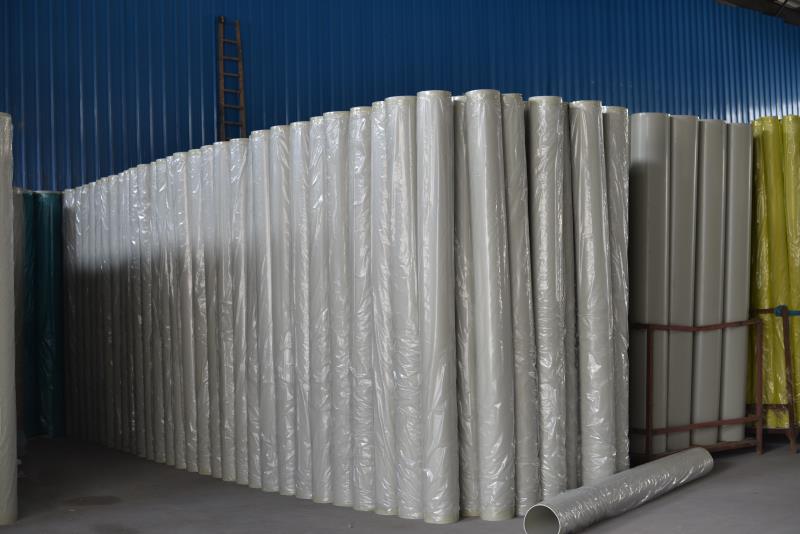
Plastic vents, including PVC and polypropylene (PP), offer lightweight and cost-effective solutions for many applications. PVC vents are commonly used in residential systems for their affordability and ease of installation. They resist corrosion and are suitable for standard HVAC applications with moderate temperatures.
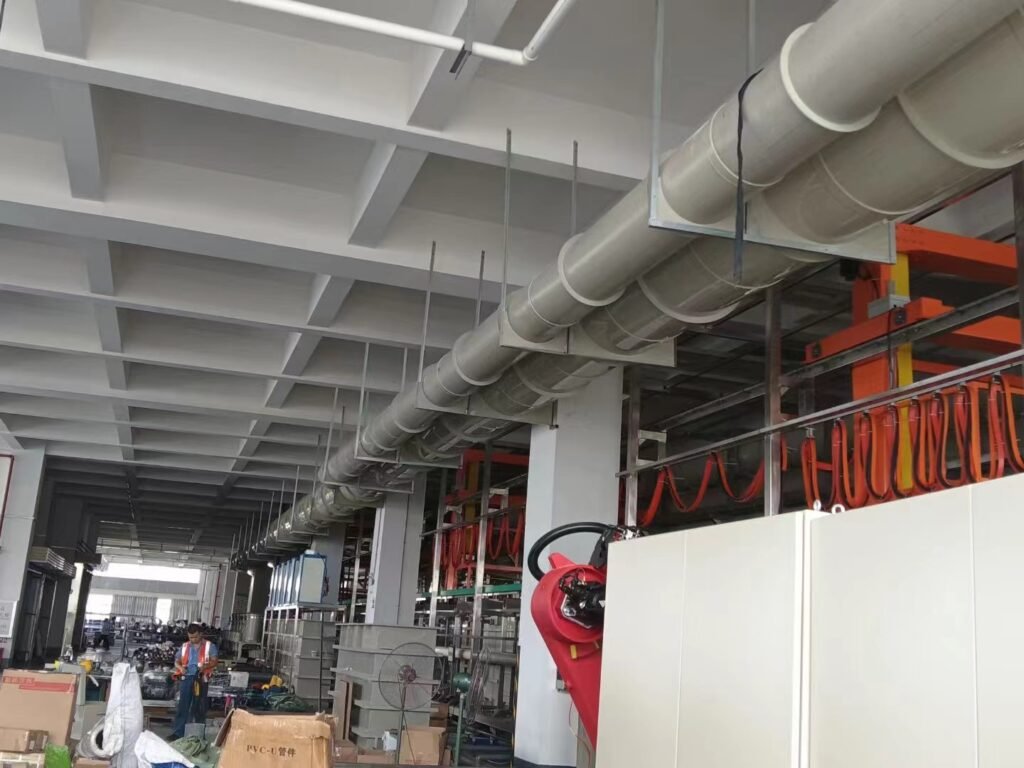
Polypropylene vents provide broader chemical resistance and higher temperature tolerance than PVC. They are ideal for laboratory exhaust, chemical processing, and other applications where metal vents may corrode. Plastic vents from our website offer excellent performance in corrosive environments and are available in various sizes and configurations to meet specific needs. For more information on plastic duct solutions, visit https://plastic-duct.com/.
Specialty Materials: Wood, Stainless Steel & Custom Options
Wood vents are often used in decorative applications where aesthetics are a priority. They can be stained or painted to match interior design but require proper sealing to prevent moisture absorption and warping. Wood vents are less common in commercial settings due to fire code restrictions and maintenance requirements.
Stainless steel vents provide the highest level of corrosion resistance and are essential in food processing, pharmaceutical, and chemical industries. Custom vents can be fabricated from specialty materials to meet unique requirements, such as high-temperature resistance, explosion-proof ratings, or specific dimensional constraints. Working with a reputable manufacturer ensures you receive vents that meet your exact specifications and performance needs.