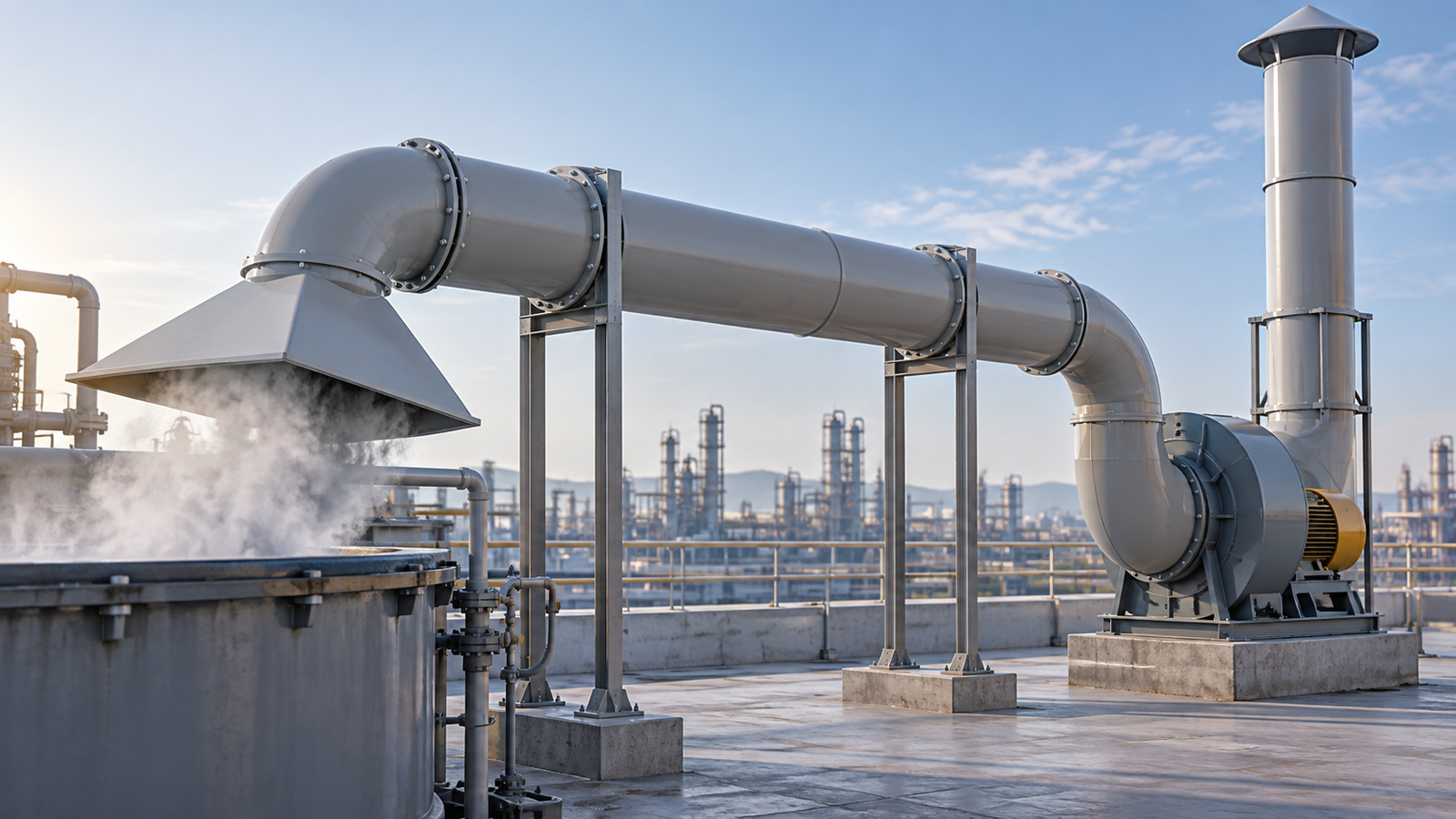
Chemical Plant Corrosive Gas Ventilation
Classify corrosive chemical plant fume, choose the duct material row, run the system in negative pressure, and send a ten-field RFQ that quotes first time.

Classify corrosive chemical plant fume, choose the duct material row, run the system in negative pressure, and send a ten-field RFQ that quotes first time.
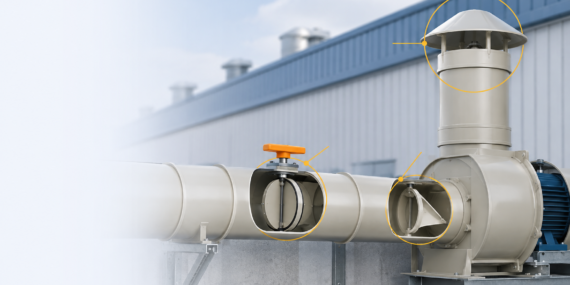
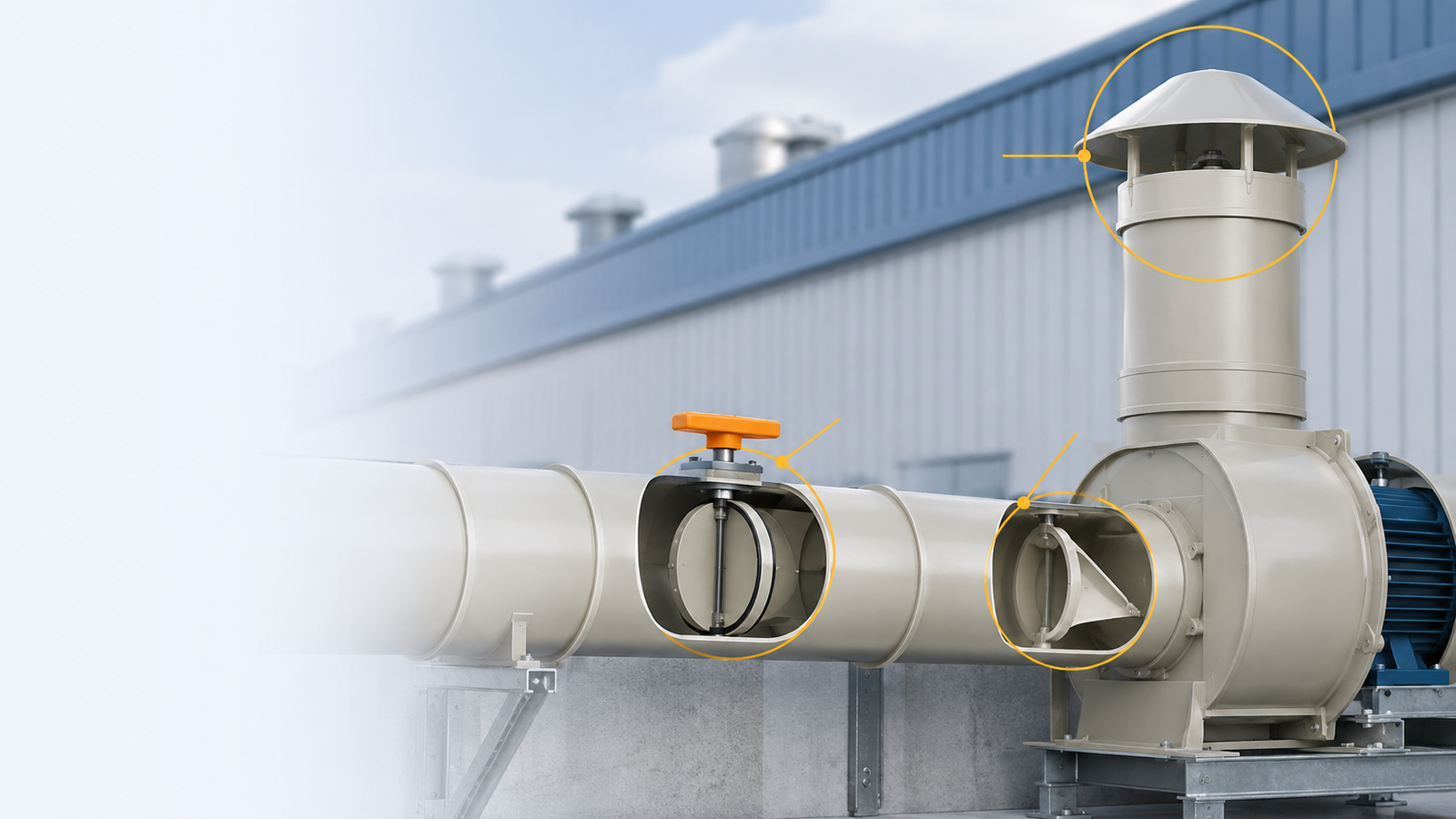
Choose duct vent accessories for industrial PP exhaust: match damper function, diameter and material grade, then quote with all nine RFQ fields.

PP duct maintenance by failure class: sort leaks, noise and low airflow, run the checks in order, then repair joints by weld and re-torque — not sealant.
Key Takeaways Welding is the primary joint; flanges are the removable interface. Installing PP air duct means joining extruded PP sections into a leak-tight run, supporting it against long-term deflection, and compensating thermal expansion before the system is concealed: weld the permanent straight runs, and keep flanges for the equipment ties that must come apart.…
Key Takeaways Duct wall thickness is an engineering output, not a catalog value. Duct wall thickness is the measured thickness of the duct wall: metal ductwork reads it from gauge tables, while plastic ductwork derives it from diameter, vacuum, temperature, media, grade and joints. Start from the diameter table, then correct for duty. Published diameter-to-wall…
Air duct design principles for industrial exhaust: airflow balance, pressure drop and noise checks, equivalent-diameter conversion, and a worked example.
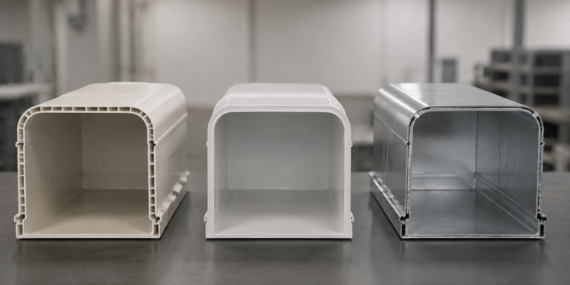
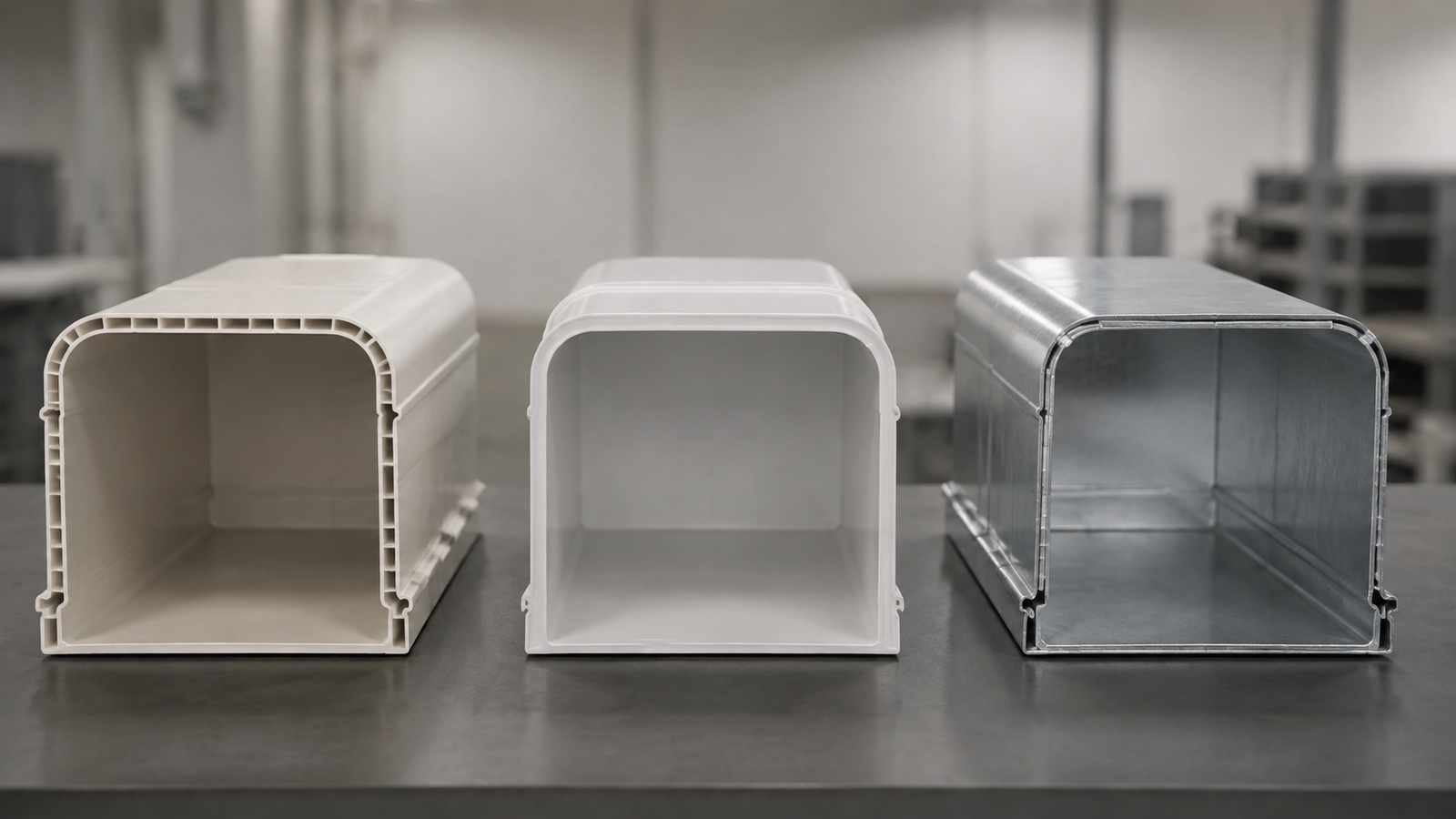
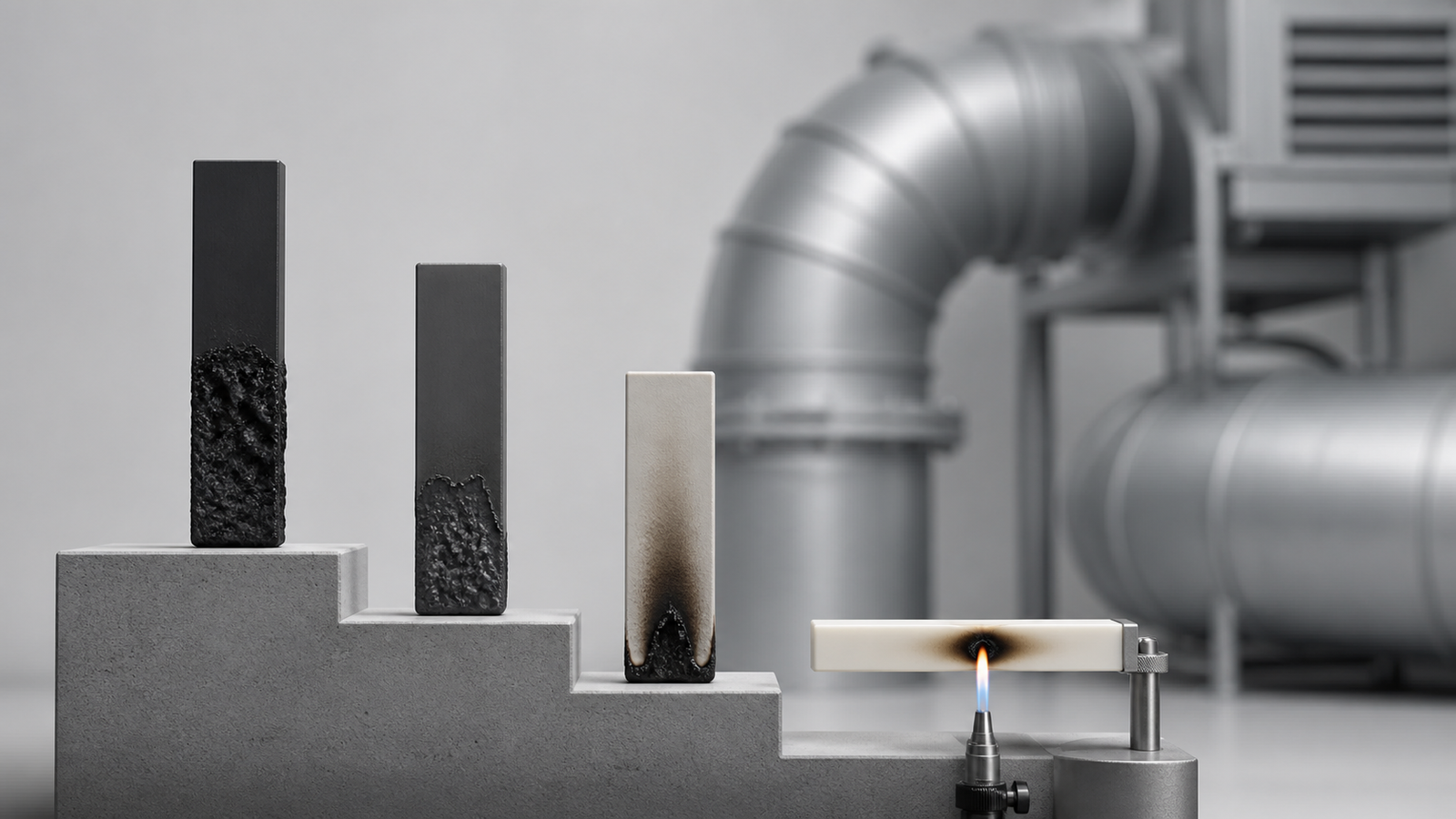
Compare PP, PVC and metal ducting by chemical duty, ignition exposure, mechanical design and evidence. Use the RFQ checklist to separate UL 94 material claims from fire-rated or smoke-control system requirements.
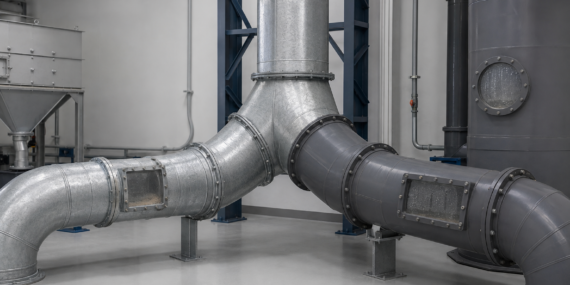
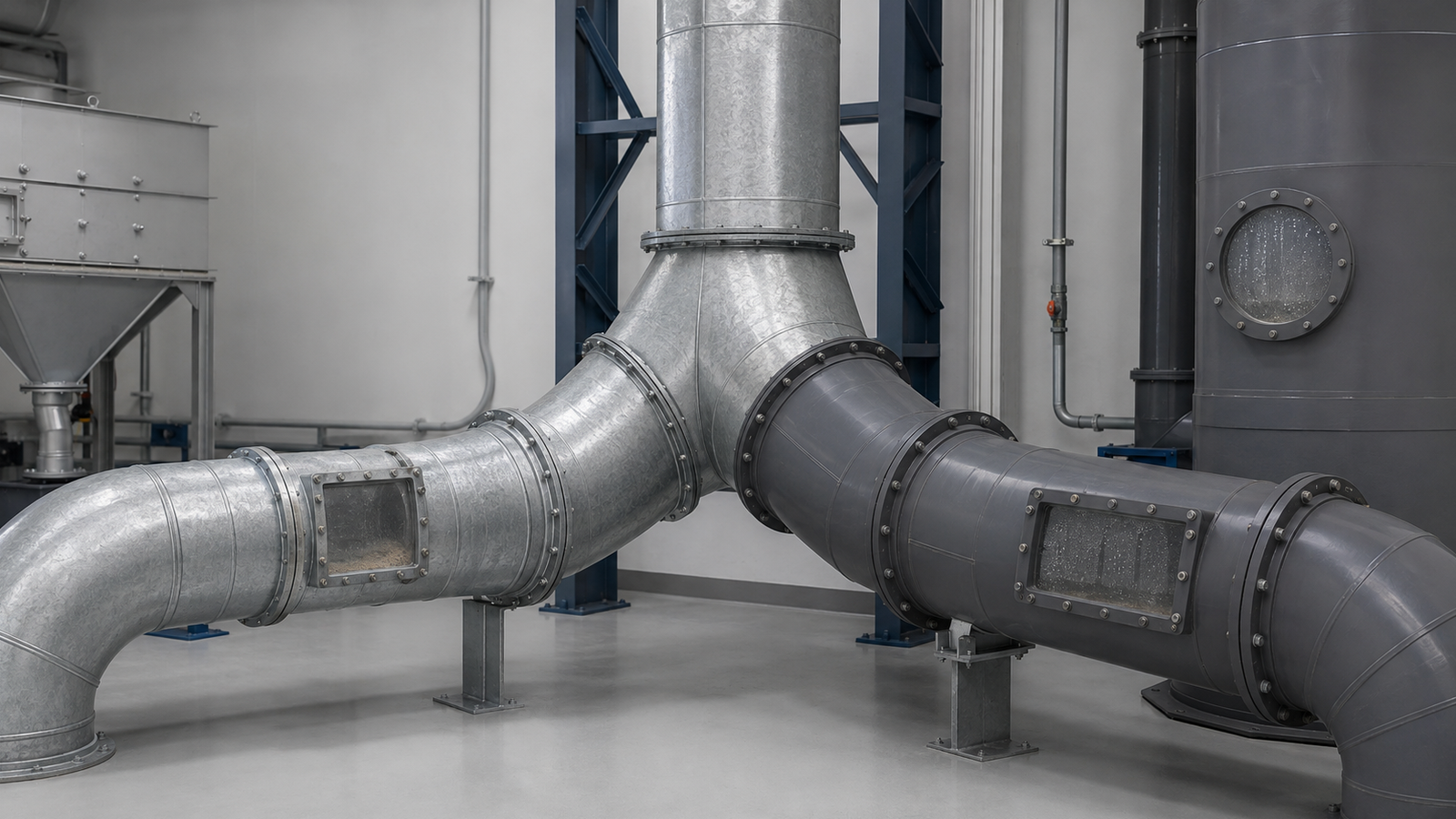
PP duct vs galvanized duct: screen chemistry, condensation, temperature, construction, joints, and RFQ scope before choosing a reviewable exhaust system.
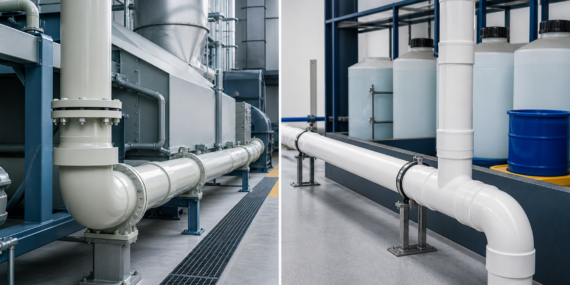
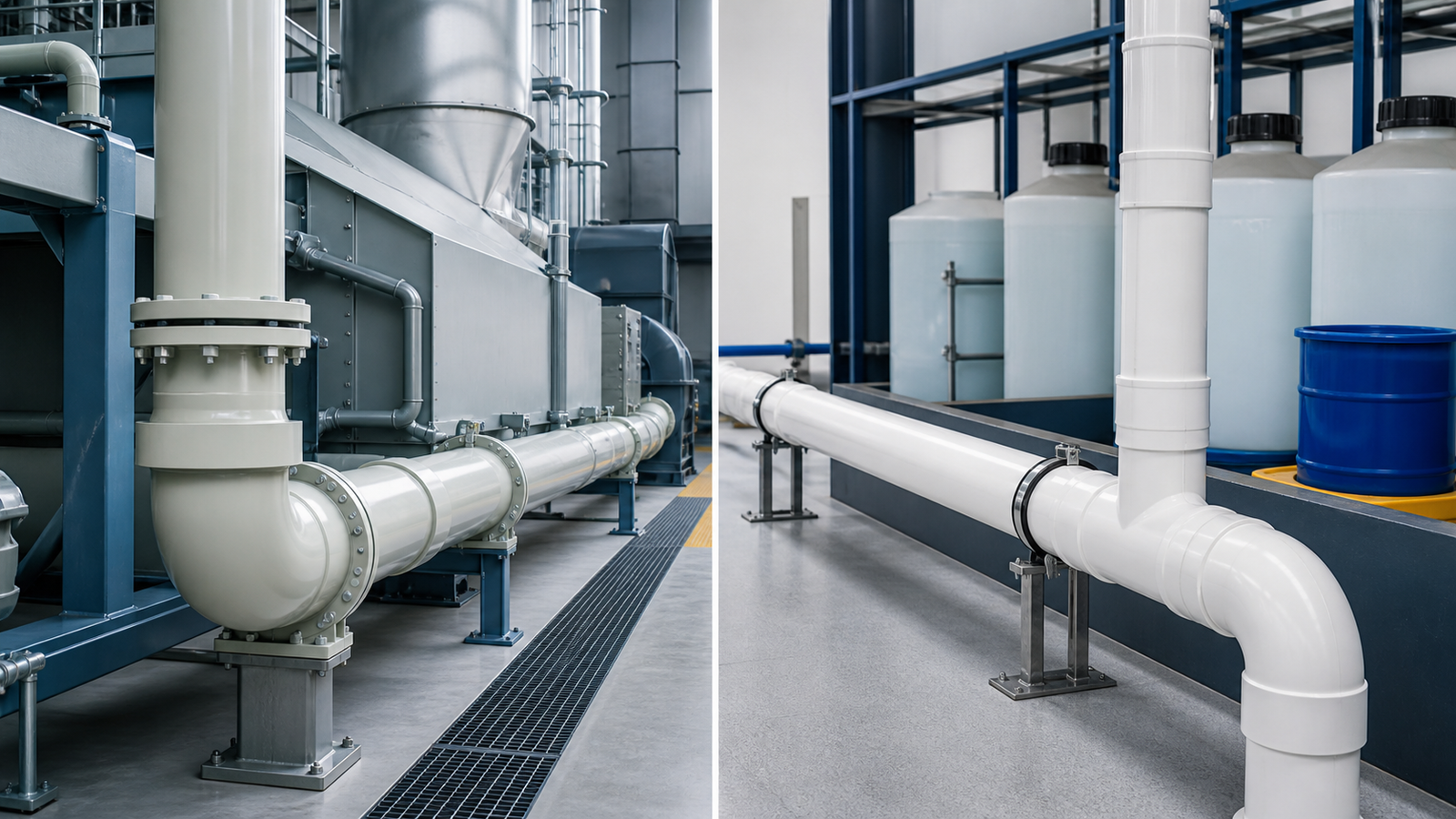
PP vs PVC pipe: continuous 60 °C vs 80 °C, two-way chemical resistance, stiffness vs weight, solvent cement vs welding, honest life-cycle cost.
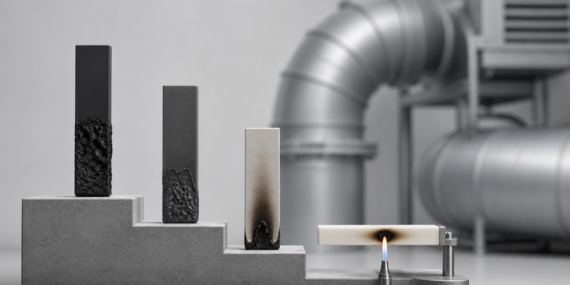
Plastic flame retardant grades V-0, V-1, V-2, HB: what they mean, the exact UL 94 test criteria, and what to verify before ordering duct.